


Game day gets all the attention, but the athletes who consistently improve are the ones doing the real work when nobody’s watching. Speed isn’t just built through sprints, and strategy isn’t just learned by playing more games both develop fastest through focused, off-field training. Here’s what that actually looks like for young athletes.
Why Off-Field Training Matters More Than Most Parents Realize
A game only shows what an athlete has already built. It doesn’t build anything new on its own. The kids who improve fastest season over season are almost always doing structured work between games not more games, but smarter preparation. This applies whether your child is in soccer, racing, track, or any competitive sport.
Speed: What Actually Makes Kids Faster
1. Reaction time drills Raw speed matters less than most people think reaction time is often the bigger separator. Simple drills like ball drops, cone reaction sprints, or reflex ladder work train the nervous system to fire faster, which shows up as “speed” on the field even without a change in raw sprinting ability.
2. Short, explosive interval work Long-distance running builds endurance, not speed. Young athletes get faster through short bursts 10 to 20 second sprints with full recovery between reps which train the fast-twitch muscle fibers actually responsible for quickness.
3. Footwork and agility ladders Change-of-direction speed wins more games than straight-line speed in almost every youth sport. Agility ladder drills, cone weaves, and lateral shuffles build the coordination that lets kids accelerate, decelerate, and redirect without losing balance.
4. Proper rest This gets overlooked constantly. Fast-twitch muscle development and reaction-time improvements happen during recovery, not during the drill itself. Kids training speed every single day without rest days typically plateau or regress faster than kids training three focused days a week with real recovery between them.
Strategy: The Mental Side Most Kids Never Train
1. Film study, even informally You don’t need a professional setup. Watching short clips of professional or older-level athletes in the same sport and asking “what did they see before they made that move?” trains a kid’s game-reading ability far faster than just playing more games.
2. Scenario-based thinking Ask a young athlete simple “what would you do if” questions away from the field: What’s the move if you’re down by one with two minutes left? What’s the play if your usual strategy isn’t working? This kind of low-pressure mental rehearsal means the decision isn’t being made for the first time when it actually matters.
3. Post-game reflection, not post-game critique There’s a real difference between “what went wrong” and “what did you notice.” Asking a young athlete what they noticed during a tough moment rather than pointing out their mistakes builds the self-awareness that turns into real strategic thinking over time.
4. Cross-training the mind through other competitive environments Kids who compete in more than one structured, strategic environment — even something like racing, chess, or competitive gaming often show faster strategic growth in their primary sport. Different environments force different decision-making patterns, and those patterns transfer.
Why Racing Specifically Builds Both
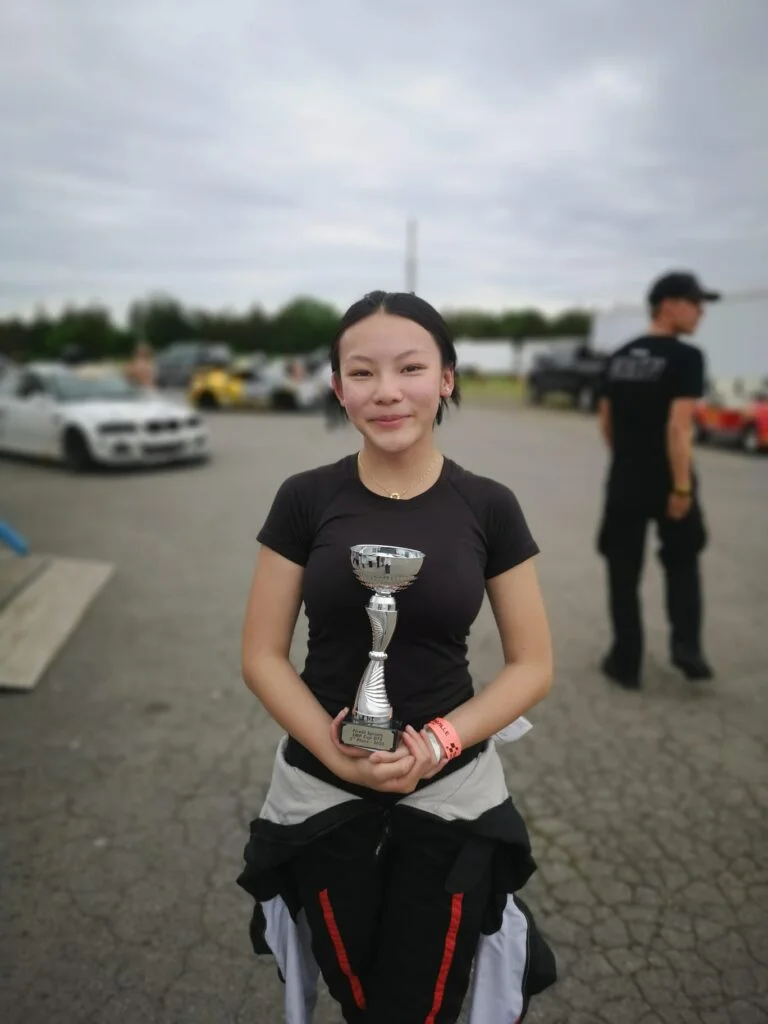
This is part of why go-karting and racing-based programs have become such an effective cross-training tool for young athletes in other sports. Racing forces real-time decisions under pressure tire strategy, positioning, when to push and when to hold back while also demanding the reaction-time and control that translates directly into speed and agility on a field or court.
At The Future Leaders Club, our Race Like a Pro program is built around exactly this combination: real physical performance training wrapped inside a strategic, decision-heavy environment, fully supervised and insured for young athletes.
A Simple Off-Field Weekly Structure
- 2x per week: Short sprint intervals + agility ladder work (20–30 minutes)
- 1x per week: Scenario-based strategy discussion or film review (15 minutes)
- 1–2x per week: Cross-training in a different competitive/strategic environment
- At least 1–2 full rest days: Non-negotiable for actual improvement to show up
Consistency here matters more than intensity. Kids who do this lightly but consistently outpace kids who occasionally do intense training and then stop.
Frequently Asked Questions
How often should young athletes train speed off the field? Two to three focused sessions per week is typically enough for meaningful improvement, provided there’s proper rest between sessions. More isn’t always better recovery is where speed gains actually happen.
Can strategy really be trained, or is it just experience? Strategy is trainable. While game experience matters, structured scenario-based thinking and reflection exercises can accelerate strategic development significantly faster than experience alone.
What age should kids start off-field performance training? Most kids can start light agility and reaction-based training around age 7–8, with more structured speed and strategy work becoming appropriate around ages 10 and up.
Does racing actually help with other sports? Yes. Racing builds reaction time, spatial awareness, and real-time strategic decision-making all skills that transfer directly to field and court sports, making it an effective cross-training tool.
The Bottom Line
The athletes who improve fastest aren’t necessarily the ones with the most raw talent they’re the ones doing focused, consistent work off the field. Speed and strategy are both trainable skills, and the earlier kids build structured habits around both, the more it compounds over a season.
Want to give your young athlete an edge? Explore our Race Like a Pro Program, or contact us to learn more.